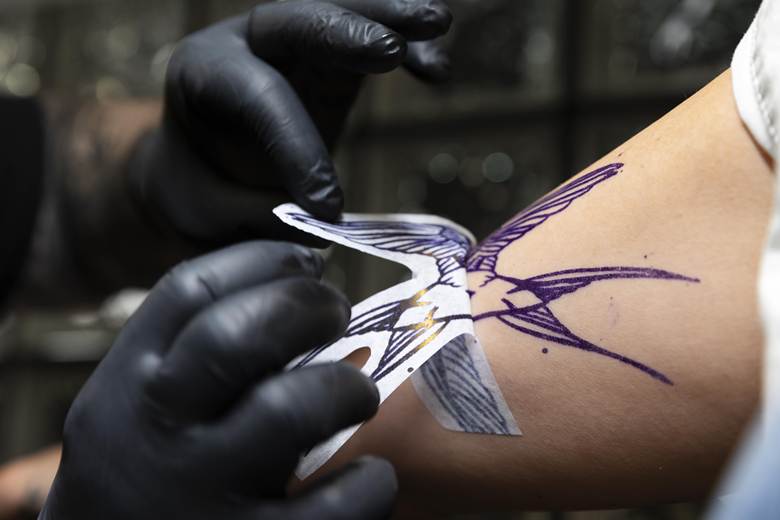
Why High-Quality Stencil Paper Is the Secret Behind Sharp, Reliable Tattoo Work
High-quality stencil paper is one of the most important tools a tattoo artist uses before a needle ever touches the skin. Good stencil paper turns a finished design into a clean, accurate guide that stays readable from the first line to the final wipe down. It supports symmetry, helps maintain proportions, and gives artists the confidence to focus on shading, color, and detail instead of constantly redrawing or guessing where a line should go.
When stencil paper performs well, the entire tattoo process feels smoother. Lines sit exactly where the artist planned them; curves follow the body correctly, and clients see a clear preview of what their tattoo will become. When stencil paper performs poorly, designs can blur, slip, or fade, which adds stress, wastes time, and puts the final result at risk.
How Stencil Paper Sets the Stage for Precise Tattoos
Tattoo accuracy starts with a reliable stencil. Stencil paper acts as the bridge between the digital or drawn design and the client’s skin, and that bridge needs to be strong and predictable.
Good stencil paper transfers clean lines that are dark enough to follow but not so heavy that they overwhelm the artwork. The artist can quickly see where each shape belongs, which is especially important for geometric patterns, lettering, and detailed black and grey work. Clear outlines also reduce eye strain during long sessions, since the artist is not constantly searching for faint lines.
When stencil paper consistently delivers sharp transfers, the artist can plan multi-session work with more confidence. The stencil becomes a stable base that supports layer after layer of shading and detail.
Why Stencil Paper Quality Matters In Everyday Studio Work
Stencil paper may look simple, yet small differences in quality have a big effect on daily workflow. Low-grade stencil paper can tear easily, transfer unevenly, or fade halfway through the tattoo. This forces extra wiping, redrawing, or freehand corrections that could have been avoided.
High-quality stencil paper, on the other hand, offers several advantages:
- Strong yet flexible backing that resists tearing
- Even transfer coating that keeps line weight consistent
- Reliable performance in both hand drawn and thermal printed designs
- Good contrast on the skin without excessive smudging
These benefits help artists maintain a steady rhythm from setup to breakdown. Instead of worrying about whether the stencil will last, the artist can concentrate on placement, needle depth, and artistic choices.
Choosing The Right Stencil Paper for Your Tattoo Style
Different artists have different needs, so choosing stencil paper that supports their particular style is essential. For fine-line and micro-detail work, stencil paper that produces thin, crisp lines offers a major advantage—allowing artists to follow intricate shapes without losing clarity, even in small areas like wrists or fingers.
For bold traditional or neo-traditional designs, stencil paper that delivers strong, high-contrast outlines makes it easier to visualize where thick lines and solid color fills belong. When working with large pieces, such as sleeves or back tattoos, artists benefit from stencil paper that feeds smoothly through thermal copiers and keeps the entire design readable across multiple body sections.
Guidelines from the Alliance of Professional Tattooists emphasize the importance of using high-quality, consistent stencil materials that transfer cleanly and maintain clarity throughout the tattooing process. The right stencil paper supports the artist’s technique, whether they prefer softer lines or the sharpest possible transfer, by ensuring each sheet performs predictably every time.
Stencil Paper And Modern Tattoo Styles
Modern tattoo trends place heavy demands on stencil paper. Detailed geometric work, mandalas, sacred patterns, and overlapping shapes all rely on precise alignment. A small distortion in the stencil can become a very visible mistake once ink is in the skin.
For these designs, stencil paper must:
- Hold fine angles and repeating patterns without breaking up
- Wrap around curved areas of the body without stretching the design too far
- Resist smearing even when the artist wipes frequently
Blackwork and dotwork pieces also depend on accurate stencil paper. Although much of the shading is built gradually, the original map of circles, lines, and focal points comes from the stencil. If the stencil paper loses clarity, the artist may need to improvise more than they would like.
Preparing The Skin So Stencil Paper Performs Its Best
Even the best stencil paper needs proper skin preparation to work well. Artists typically start by cleaning the area, shaving it if necessary, then cleansing again before applying stencil solution. This gives stencil paper a clean surface to bond with and reduces the chance of early fading.
Health guidance from public resources such as cdc.gov stresses the importance of working on clean, dry skin whenever the surface barrier is disturbed. Tattoo studios follow similar hygiene principles, and stencil paper is part of that routine. When the skin is free of oils, lotions, and residue, stencil paper grips better and keeps lines readable for longer sessions.
The combination of the right stencil paper and correct skin preparation helps prevent last-minute problems, such as partial transfers or stencils that lift as soon as the client changes position.
Keeping Stencil Paper Stable During Long Sessions
Long sessions are a true test for stencil paper. Between wiping, stretching skin, and changing angles, the stencil is under constant stress. Artists can support stencil paper by using gentle, tattoo-specific soaps, carefully blotting instead of scrubbing, and avoiding unnecessary friction.
High-quality stencil paper is designed to handle this environment. It stays attached through repeated wiping and retains enough contrast for the artist to finish the piece without guessing. This is especially important when a design has many intersecting lines or small negative spaces that must remain clean.
Apprentices benefit from working with good stencil paper too. It gives them a reliable framework while they are still building control, and it reduces the chance that a fading stencil will force them to freehand corrections before they are ready.
How Consistent Stencil Paper Supports a Professional Studio Image
Clients notice more than artists sometimes expect. When they see a clear stencil applied with care, they gain confidence in the process. Stencil paper becomes part of the visual story; the studio talks about quality and precision.
Using dependable stencil paper also helps a studio maintain standards across multiple artists. When everyone uses the same reliable stencil paper, results are more consistent, and clients can expect a similar level of accuracy no matter which artist they choose.
From a business perspective, fewer stencil failures mean fewer delays and less wasted time. Sessions stay on schedule; artists experience less frustration, and repeat clients remember the studio as efficient and well organized.
Stencil Paper As a Long-Term Investment in Better Tattoos
In the end, stencil paper is not just a disposable supply. It is a long-term investment in accuracy, workflow, and client trust. Choosing strong, reliable stencil paper pays off in smoother sessions, sharper designs, and fewer avoidable mistakes.
When artists treat stencil paper with the same importance as machines, needles, and inks, they give every tattoo a solid foundation. Clean transfers, durable lines, and predictable performance all contribute to the kind of results that keep clients returning and recommending the studio to others.