Sushil Gupta, MD, on the Role of Pulmonary Testing in Sleep Apnea Diagnosis
Sleep studies play a critical role in identifying sleep apnea early, especially when symptoms appear mild or are mistakenly normalized by patients over time, as emphasized by Sushil Gupta, MD.
Sleep apnea is not simply a nighttime issue. It is a pulmonary condition with systemic consequences that often progresses quietly. Many individuals live for years with disrupted breathing patterns during sleep, unaware that fatigue, brain fog, or morning headaches may point to an underlying respiratory problem.
Why sleep apnea often goes undiagnosed
One of the most challenging aspects of sleep apnea is how easily it blends into daily life. Snoring, restlessness, or daytime tiredness are frequently dismissed as stress or aging. Sushil Gupta has observed that many patients adapt to poor sleep quality without realizing their baseline health has shifted.
Several factors contribute to delayed diagnosis, including:
- Symptoms that develop gradually rather than suddenly
- Misinterpretation of fatigue as a lifestyle issue
- Lack of awareness about pulmonary testing options
- Hesitation around sleep studies due to misconceptions
From a pulmonary perspective, untreated sleep apnea places ongoing strain on breathing mechanics and oxygen delivery. Sushil Gupta, MD, often highlights that identifying apnea early can prevent long-term respiratory and cardiovascular complications.
Sushil Gupta, MD, on the role of sleep studies in pulmonary diagnosis
Sleep studies are not simply confirmation tools. They are diagnostic instruments that reveal how the lungs, airway, and nervous system interact during rest. Sushil Gupta, MD, explains that objective data is essential when symptoms alone do not reflect disease severity.
During sleep, breathing patterns change naturally. In patients with sleep apnea, those changes become disruptive. Pulmonary testing captures information that cannot be measured during waking hours, allowing clinicians to understand the full scope of respiratory compromise.
Sleep studies typically assess:
- Breathing interruptions and airflow limitation
- Oxygen saturation levels throughout the night
- Heart rate variability linked to breathing stress
- Sleep stages and arousal patterns
This information helps determine whether pulmonary intervention is necessary and how urgent treatment may be. Sushil Gupta of Woodbridge consistently reinforces that data-driven diagnosis leads to more precise care planning.
Understanding different types of sleep studies
Not all sleep studies are the same, and choosing the right method depends on patient history and risk factors. Sushil Gupta, MD, notes that matching the test to the individual is a key part of pulmonary evaluation.
Common sleep study approaches include:
- In-lab polysomnography, which provides comprehensive respiratory and neurological data
- Home sleep testing, which focuses on breathing and oxygen patterns in familiar environments
Each option has clinical value. In-lab testing may be recommended when complex breathing disorders are suspected, while home testing can be effective for identifying moderate to severe sleep apnea. Sushil Gupta of Woodbridge often emphasizes that testing decisions should align with symptom patterns rather than convenience alone.
The pulmonary consequences of delayed testing
Sleep apnea affects more than sleep quality. Repeated breathing interruptions reduce oxygen delivery and increase pulmonary strain over time. Sushil Gupta, MD, points out that untreated apnea can contribute to long-term lung stress, particularly in patients with existing respiratory vulnerabilities.
Delayed diagnosis may lead to:
- Increased daytime breathlessness
- Elevated cardiovascular workload
- Reduced exercise tolerance
- Persistent inflammation affecting airway stability
Pulmonary testing allows these risks to be identified before irreversible changes occur. Sushil Gupta frequently stresses that early intervention can slow or prevent the progression of related respiratory conditions.
Why are symptoms alone not reliable indicators
Many patients believe they would feel severe symptoms if sleep apnea were present. In reality, the body often compensates until reserves are depleted. Sushil Gupta, MD, has noted that some of the most serious cases involve individuals who did not perceive their symptoms as severe.
Commonly overlooked signs include:
- Waking unrefreshed despite adequate sleep time
- Difficulty concentrating during the day
- Morning chest tightness or dry mouth
- Gradual weight gain linked to metabolic disruption
Pulmonary testing bridges the gap between perception and physiology. Sushil Gupta of Woodbridge explains that measurable breathing data often reveals a condition that patients have unknowingly adapted to.
How sleep studies guide effective treatment planning
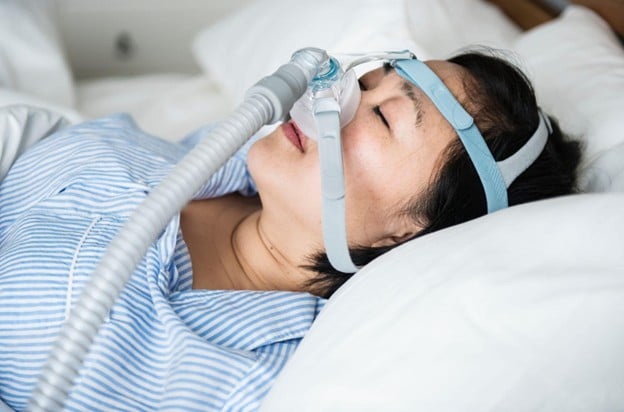
Diagnosis is only the first step. Sleep studies provide the framework for selecting appropriate treatment strategies. Sushil Gupta, MD, emphasizes that without accurate testing, treatment may be delayed or mismatched to patient needs.
Once sleep apnea is confirmed, clinicians can determine:
- Severity of airflow obstruction
- Frequency and duration of breathing events
- Impact on oxygen levels and sleep architecture
This information informs decisions around respiratory support, lifestyle modification, and long-term monitoring. Sushil Gupta often highlights that targeted treatment improves both pulmonary health and overall quality of life.
Addressing common concerns about sleep studies
Sushil Gupta of Woodbridge has seen hesitation rooted in misconceptions rather than experience.
Common concerns include discomfort, inconvenience, or fear of diagnosis. Pulmonary testing, however, is designed to observe natural sleep patterns with minimal disruption. Sushil Gupta, MD, reinforces that understanding the process often reduces anxiety and encourages timely evaluation.
The broader impact of pulmonary testing on long-term health
Sleep apnea does not exist in isolation. Its effects extend into cardiovascular health, cognitive function, and metabolic balance. Sushil Gupta underscores that pulmonary testing serves as a preventive tool as much as a diagnostic one.
By identifying breathing disorders early, sleep studies support:
- Improved daytime energy and focus
- Reduced strain on the heart and lungs
- Better management of coexisting respiratory conditions
For patients navigating chronic fatigue or unexplained respiratory symptoms, Sushil Gupta of Woodbridge views sleep studies as a pathway to clarity rather than escalation.
Recognizing when to seek evaluation
Knowing when to pursue pulmonary testing can be challenging. Patterns often matter more than isolated symptoms. Sushil Gupta advises paying attention to changes in sleep quality, breathing comfort, and daytime function over time.
Persistent snoring, observed breathing pauses, or worsening fatigue may signal the need for assessment. Sushil Gupta, MD, consistently emphasizes that proactive testing can prevent years of silent strain on the respiratory system.
A clearer path forward through informed testing
Sleep studies remain one of the most effective tools for diagnosing sleep apnea accurately. Through pulmonary testing, patients gain insight into how their breathing functions during rest and how it affects overall health. Sushil Gupta, MD, continues to highlight that early, objective evaluation empowers individuals to address sleep apnea before it reshapes long-term well-being.
By viewing sleep studies as an essential part of pulmonary care rather than a last resort, patients and providers alike can move toward better outcomes. As Sushil Gupta of Woodbridge often demonstrates through clinical insight, informed diagnosis is the foundation of effective respiratory health management.