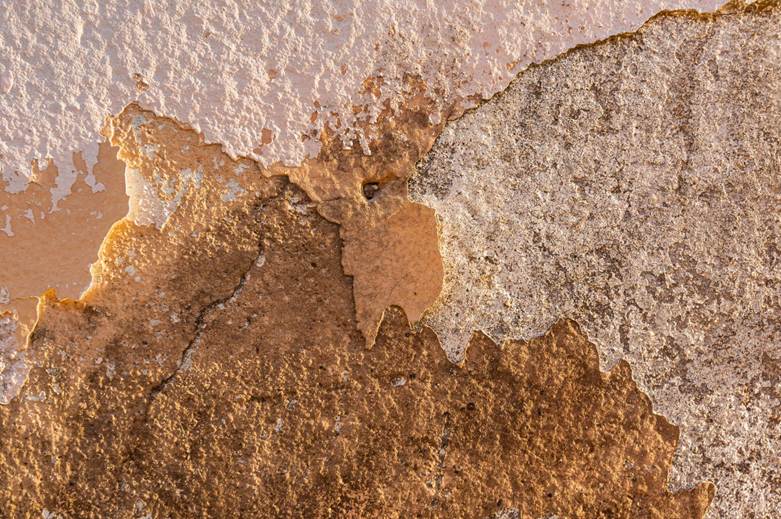
The Hidden Moisture Problem: Why Coastal Masonry Can Deteriorate Long Before Cracks Appear
Along the South Carolina coast, masonry faces an environmental challenge that homeowners often underestimate: moisture can affect brick, stone, and mortar long before visible damage appears. A wall may look structurally sound while water moves through microscopic pores, carries dissolved salts, or gradually weakens vulnerable joints. In Myrtle Beach, where humidity, rainfall, and coastal exposure influence building conditions, understanding these hidden processes is essential for maintaining durable residential structures.
The most important distinction is that visible deterioration is often a symptom rather than the original problem. Effective maintenance begins by identifying how moisture enters, moves through, and escapes from a structure.
Why Does Coastal Masonry Behave Differently?
Coastal masonry is exposed to environmental conditions that can accelerate certain forms of deterioration. Wind-driven rain, persistent humidity, airborne salts, and repeated wetting and drying create conditions in which moisture management becomes particularly important. However, exposure varies considerably depending on distance from the shoreline, building orientation, drainage, and material composition.
Brick and mortar are not completely impermeable materials. Their interconnected pores can absorb and release moisture under changing conditions. This behavior is generally manageable when construction details allow water to drain and materials to dry appropriately. Problems develop when moisture remains trapped, enters through defective joints, or transports salts into vulnerable areas.
For Myrtle Beach homeowners, durability therefore depends on more than selecting attractive brick or stone. Installation methods, compatible materials, and drainage details can be equally important.
How Can Moisture Cause Damage Without Visible Leaks?
Moisture can travel through masonry by capillary action, allowing water to move through small interconnected pores. This movement may occur even when there is no obvious opening or active interior leak. Rainwater entering deteriorated mortar joints, moisture rising from poorly managed ground conditions, and water accumulating behind exterior features can all contribute to gradual deterioration.
The effects may remain concealed because surface appearance does not always reveal internal moisture conditions. A wall can appear dry while portions of its assembly retain water. Over time, repeated moisture exposure may contribute to staining, mortar deterioration, or damage to individual masonry units.
Consequently, investigating moisture pathways is more useful than simply covering the affected surface. Repairs should address the conditions allowing water to accumulate rather than treating discoloration as an isolated cosmetic issue.
What Is the Difference Between Efflorescence and Structural Damage?
Efflorescence is the whitish deposit that sometimes appears on brick or stone surfaces when moisture carries dissolved salts outward and evaporates. The visible deposit is not automatically evidence of serious structural damage, but it can indicate that water is moving through the material.
A related concern occurs when salts crystallize beneath the surface rather than outside it. This process can generate pressure within pores, potentially contributing to flaking, scaling, or surface loss. The National Park Service identifies moisture movement, salt expansion, cracking, and mortar deterioration as important considerations when evaluating brick structures.
Homeowners should therefore distinguish removable surface deposits from progressive material damage. Persistent staining, crumbling surfaces, and recurring moisture problems warrant closer professional evaluation.
Why Can the Wrong Mortar Make Repairs Worse?
Mortar is not simply the material holding bricks together. It also influences how a wall accommodates movement and manages moisture. When replacement mortar is significantly harder or less permeable than the surrounding masonry, the difference in material behavior can create additional stress.
This concern is especially important when repairing older brickwork. Applying an incompatible mortar may restrict moisture movement or concentrate stresses in weaker adjacent bricks. Although modern masonry assemblies have different design requirements, material compatibility remains an important principle across restoration projects.
Successful repointing requires evaluating the existing mortar, identifying deterioration, removing damaged material appropriately, and selecting a replacement suited to the assembly. Matching appearance alone does not establish compatibility, particularly when the underlying materials have different physical properties.
How Does Poor Drainage Affect Patios and Retaining Walls?
Drainage problems can affect outdoor masonry features just as significantly as building walls. Patios, walkways, and retaining walls interact directly with surrounding soil, surface runoff, and changing ground moisture. Without suitable preparation, water accumulation can contribute to settlement, erosion, displacement, or deterioration.
Retaining walls require particular attention because they resist lateral pressure from retained soil. Water accumulating behind a wall can increase that pressure, potentially affecting stability. Appropriate drainage provisions, foundation preparation, and construction details depend on the wall’s dimensions, location, and engineering requirements.
Homeowners planning outdoor improvements should consider:
- Ground grading and the direction of surface runoff.
- Suitable foundation preparation for local soil conditions.
- Drainage arrangements behind retaining walls.
- Material selection for the intended exposure.
- Access for future inspection and maintenance.
These considerations demonstrate why outdoor masonry performance begins beneath the finished surface rather than with decorative material choices.
When Should Homeowners Investigate Masonry Cracks?
Not every crack indicates structural failure, but cracks should be evaluated according to their location, pattern, width, and progression. Small isolated defects may reflect normal material movement, while widening cracks, displacement, or leaning walls can indicate more significant concerns.
Stair-step cracking along mortar joints, separation around openings, and repeated cracking after repairs may justify further investigation. The cause could involve settlement, moisture-related movement, inadequate support, or another condition requiring professional assessment.
Photographing visible defects and monitoring changes can help document their progression. However, walls showing substantial movement, instability, or potential structural damage should receive prompt evaluation from an appropriately qualified professional. The objective is to identify the underlying cause before selecting a repair method.
Why Is Preventive Masonry Maintenance More Effective?
Preventive maintenance focuses on identifying manageable defects before moisture exposure and movement produce more extensive damage. Regular visual inspections can reveal deteriorating mortar, blocked drainage paths, damaged joints, and early surface changes that might otherwise go unnoticed.
For coastal homeowners, inspection priorities should include exposed walls, patios, chimneys, retaining walls, and areas where water repeatedly collects. Maintaining gutters, grading, and surrounding drainage can also help reduce unnecessary moisture exposure.
Affordable Masonry LLC serves Myrtle Beach and surrounding Horry County communities, providing residential brickwork, restoration, retaining walls, and structural and cosmetic repairs. Its emphasis on owner-supervised craftsmanship reflects the importance of experienced assessment in selecting appropriate construction and repair methods.
Ultimately, durable masonry depends on understanding how materials interact with their environment. Addressing moisture movement, drainage, and material compatibility helps protect both the appearance and long-term performance of coastal residential structures.


