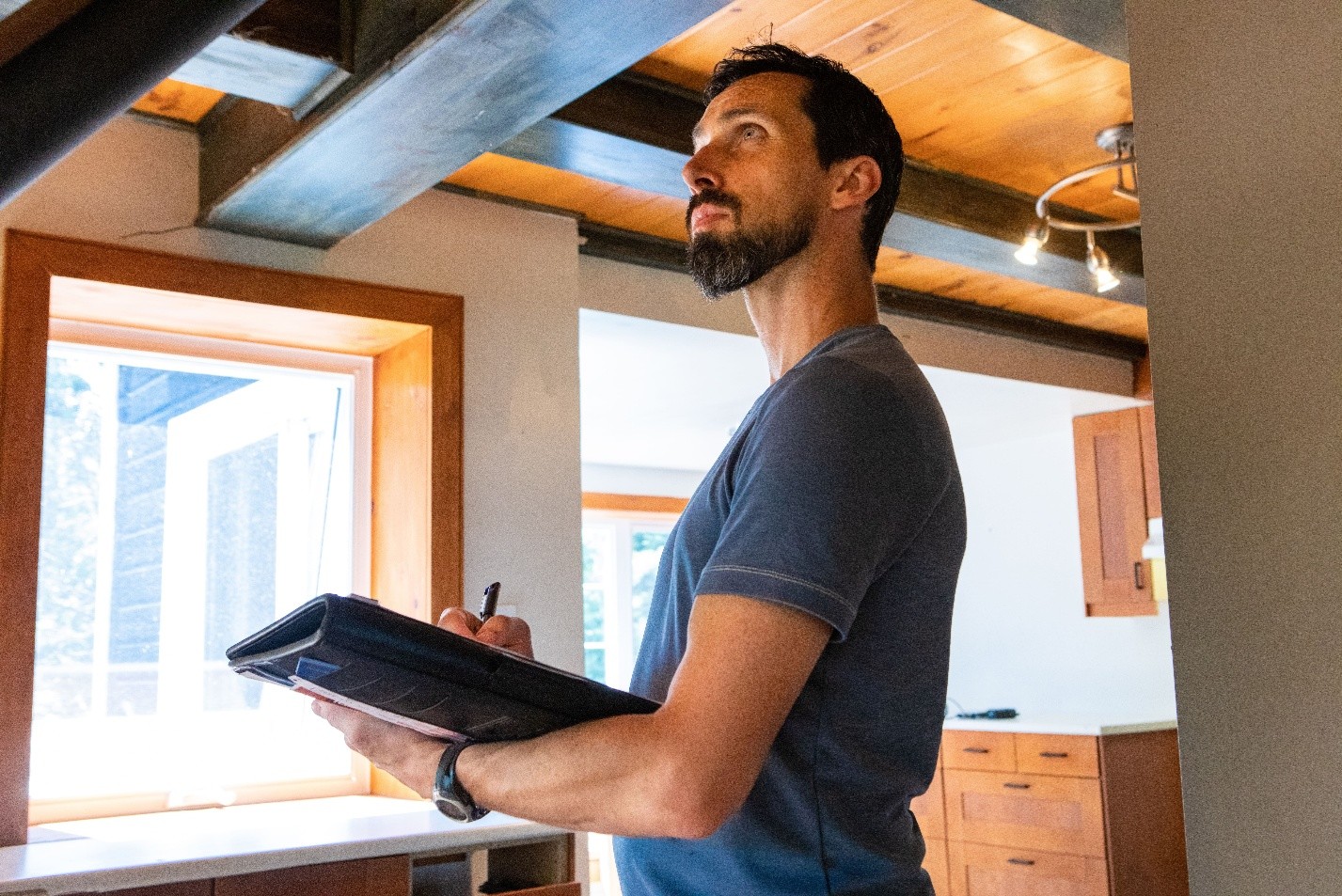
Chris Rapczynski Discusses Why Move-In and Move-Out Inspections Matter
Move-in and move-out inspections are some of the most important steps in the rental process because they create clarity, protect both parties, and set a professional standard for the entire tenancy. These inspections establish a shared understanding of the property’s condition at the start and end of a lease, which helps prevent arguments, supports fair security deposit handling, and maintains the long-term health of the property.
Although these inspections may seem routine, they play a powerful role in keeping relationships positive and communication transparent. Chris Rapczynski of Sleeping Dog Properties explains why these inspections matter, how they work, and how they benefit both tenants and property owners.
Establishing a Clear Record of the Property Condition
One of the main reasons move-in and move-out inspections matter is that they create a documented record of the property condition. Photos, written notes, and checklists make it easy to see what damage existed before the tenant arrived and what issues occurred during the lease.
A move-in inspection gives the tenant confidence because they know they will not be held responsible for pre-existing flaws. At the same time, the owner benefits from having proof of the property’s condition at the start of the tenancy. Chris Rapczynski explains that this record becomes the baseline for future comparisons.
During the move-out inspection, the same points are reviewed again. By comparing the original checklist with the final one, the management team can determine what normal wear and tear looks like versus what is actual damage. This reduces uncertainty because both parties can rely on the same documentation instead of memory or verbal claims.
Protecting Tenants from Unfair Charges
Tenants often worry about losing their security deposit even when they have taken good care of the home. A clear move-in inspection reduces this concern because it prevents tenants from being blamed for old problems.
For example, if the carpet already had a stain when the tenant moved in, a photo taken during the inspection shows that the stain was present long before. When the move-out inspection occurs, the tenant has clear proof that the issue was not caused by them.
Good documentation also protects tenants from vague claims of damage. Without a written record, disagreements can quickly escalate. With detailed checklists and photos, tenants have transparency and confidence that charges will be accurate and fair.
Protecting Property Owners from Unreported or Excessive Damage
Owners place their property in the hands of tenants with the expectation that it will be treated with care. Move-in and move-out inspections protect owners by giving them concrete proof when damage occurs.
If a wall was clean during the move-in inspection and several large holes appear during the move-out inspection, the owner can confidently request repairs or deduct the appropriate amount from the security deposit. The documentation prevents lengthy debates because it clearly shows when the damage happened.
This process also helps owners identify recurring issues more quickly. If multiple tenants cause similar damage in the same area, it may indicate a design or structural problem that needs attention. Regular inspections highlight patterns so owners can make improvements that reduce long-term costs.
Preventing Disputes Through Clarity and Communication
Many landlord-tenant disputes arise simply because one or both parties do not have clear information about the property’s condition. Inspections eliminate this confusion by creating transparency.
When tenants see the manager take photos and walk through the home with a checklist, they know the process is fair. When owners receive a full report, they trust that their investment is being monitored correctly. This shared understanding reduces misunderstandings because both sides have access to the same information.
Inspections also encourage ongoing communication. If a tenant notices something during the move-in walkthrough that needs repair, they can mention it right away. Addressing concerns early builds trust and keeps small issues from becoming larger problems.
Supporting Fair and Accurate Security Deposit Handling
Security deposits are one of the most common sources of conflict in rental relationships. Move-in and move-out inspections create a fair system for handling deposit deductions because they provide proof.
Without documentation, an owner might believe damage occurred during the tenancy while the tenant insists it was already there. With documentation, the comparison is simple. If the issue appears in the move-in report, it cannot be charged at move-out. If it appears only in the move-out report, the owner has the right to address it.
Fair deposit handling protects both sides. Tenants avoid wrongful deductions and owners avoid legal disputes. Many states require documentation for deposit charges, so inspections help ensure compliance with local laws as well.
Encouraging Better Care of the Property During the Lease
When tenants know that the move-out condition will be compared to detailed move-in records, they are more likely to maintain the property responsibly. This creates long-term benefits for owners because well-maintained homes last longer and require fewer repairs.
Tenants also benefit because well-cared-for homes create more comfortable living conditions. Clear expectations encourage tenants to report problems early rather than waiting until move-out, which often leads to larger repair needs.
In addition, when tenants feel the management team is fair and consistent, they are more likely to renew their lease. Chris Rapczynski explains that this reduces vacancy and turnover costs for owners and provides stability for tenants.
Improving Property Management Efficiency
Move-in and move-out inspections improve efficiency for property managers by creating organized records that can be reused and referenced. A structured inspection process simplifies communication with owners, tenants, and maintenance teams.
Clear reports allow maintenance staff to handle repairs more quickly because they know exactly what needs to be fixed. Managers can also give owners accurate estimates and timelines because they have a detailed picture of the property’s condition.
These inspections support long-term planning as well. Chris Rapczynski understands that if a property consistently needs new paint, carpet cleaning, or appliance replacement after several years, managers can create predictable schedules and budgets rather than reacting to problems at the last minute.
Protecting the Long-Term Value of the Property
Regular inspections help protect the long-term value of the property by ensuring that damage is found early and repairs are made promptly. Small issues like minor leaks, cracked tiles, or loose fixtures can turn into expensive problems if they go unnoticed for too long. Because inspections occur at natural transition points, they provide a reliable opportunity to assess the building before new tenants move in.
Chris Rapczynski emphasizes that by maintaining the property through consistent inspections, owners protect their investment and improve the overall appeal of the home. Properties that are well cared for attract better tenants and maintain higher rental value.
Creating a Positive and Professional Rental Experience
Move-in and move-out inspections contribute to a rental experience that feels professional, organized, and fair. Tenants appreciate a manager who communicates clearly and acts transparently. Owners appreciate a system that provides protection and accountability.
These inspections show that the management team values the condition of the property and respects the needs of the tenant. Chris Rapczynski understands that this balanced approach builds trust, which benefits everyone involved in the rental process.
Move-in and move-out inspections are not just checklists. They are an essential part of good property management because they prevent disputes, support fair deposit handling, protect property value, and strengthen tenant and owner relationships. Regular inspections create a standard of care that helps both sides feel secure and respected throughout the entire rental journey.